

A Collector's Guide:
Investing in Silver Coins:
A Smart Choice for the Future
The demand for silver is currently very high, as evidenced by the numerous silver enthusiasts seeking unique and rare forms of silver, including investing in silver coins. Silver coins are a prime example. They hold an interesting historical value in a nation’s economic journey. History and evolution provide valuable lessons about currency value changes and their impact on society. Over time, these coins have become scarce, attracting the attention of collectors and investors alike.
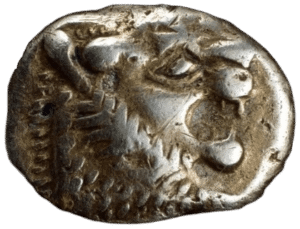
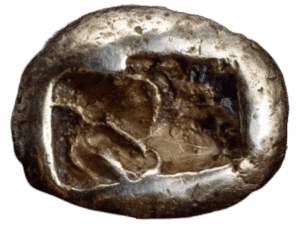
The world’s earliest coins were minted in the kingdom of Lydia in Asia Minor around 600 BC. Lydia’s coins consisted of electrum, a naturally occurring gold and silver alloy found in the Lydia region (Wikipedia). Investing in silver coins is one way to invest in precious metals. Silver offers growth potential, liquidity, and security. Compared to gold, silver has a greater demand in most industrial sectors, from automotive and electronics to household appliances. Digitalization also leads to the creation of more robots and technological devices, making silver a promising investment for the next 10 to 30 years.
For centuries, gold has dominated as the top precious metal investment. However, over the past decade, silver has surpassed gold in investor popularity. In addition to its steadily increasing price, investing in silver offers numerous advantages, especially in the long term. Silver, particularly silver coins, boasts many benefits, including unique and appealing designs.

Indonesia
Indonesia, an archipelago rich in culture and natural resources, offers a growing market for silver coins. These coins often feature Indonesian heritage, wildlife, or themes, appealing to both local and international collectors. The Indonesian silver coin market presents opportunities for those seeking unique and culturally significant pieces.
Investing in Silver Coins
Indonesian 10,000 Rupiah (UNICEF) 1999
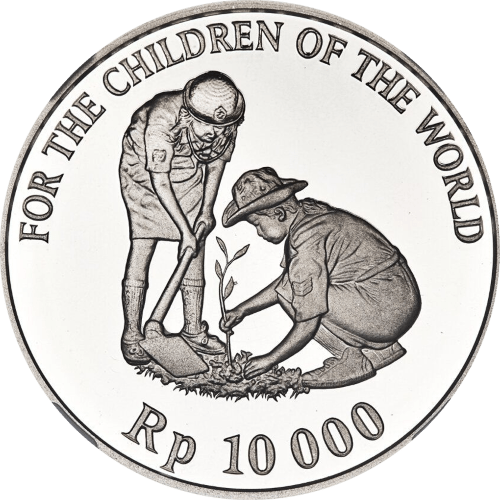
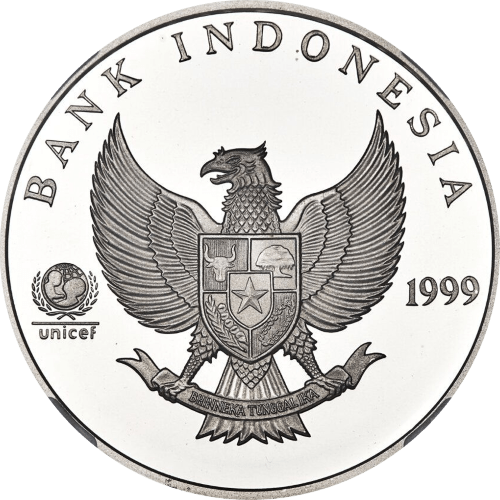
Investing in silver coins can be a compelling strategy for collectors and investors alike, and Indonesia’s “For the Children of the World” silver coin series offers a particularly attractive option. Issued periodically, this series promotes children’s welfare, education, and well-being. These 10,000 Rupiah coins, typically struck in .925 silver, showcase designs often depicting children engaged in positive activities or featuring national symbols alongside child-focused imagery, frequently aligning with UNICEF’s mission. The Indonesian government mints these coins, which serve as both currency and commemorative pieces, raising awareness about children’s issues and sometimes contributing to related causes through a portion of their sales. The series demonstrates Indonesia’s commitment to supporting children globally and domestically. This combination of a meaningful theme, silver content, and limited mintage for some issues makes these coins appealing to collectors and those looking to diversify their investments with precious metals.
One example from this series is the 1999 UNICEF coin, minted by the Hungarian State Mint. Its obverse features two Girl Scouts planting a tree, accompanied by the motto “FOR THE CHILDREN OF THE WORLD” and the denomination. The reverse displays the Garuda Pancasila, Indonesia’s national emblem, along with the national motto “BHINNEKA TUNGGAL IKA” (Unity in Diversity). The UNICEF logo and the year 1999 appear, and “BANK INDONESIA” is inscribed above the emblem. Made from .925 silver (0.8410 oz. ASW) and copper, this 28.28-gram coin measures 38.61 mm in diameter, has a milled edge, medal alignment, and a mintage of just 1,303. This low mintage, combined with its attractive design and association with a respected international organization like UNICEF, makes this particular coin a desirable piece for collectors of world coins, especially those specializing in thematic collections related to children, scouting, or international organizations.
Investing in Silver Coins
Indonesian 25,000 Rupiah (100th Birthday of Sukarno) 2001
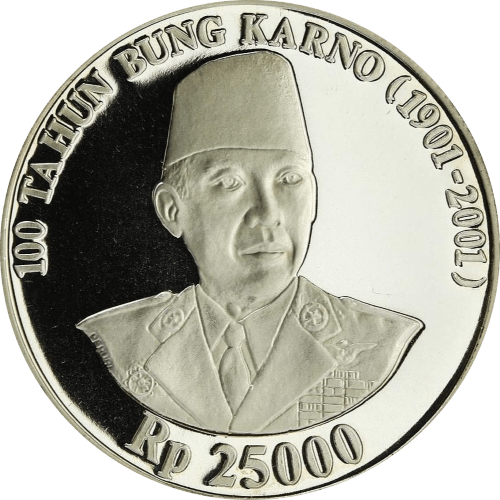
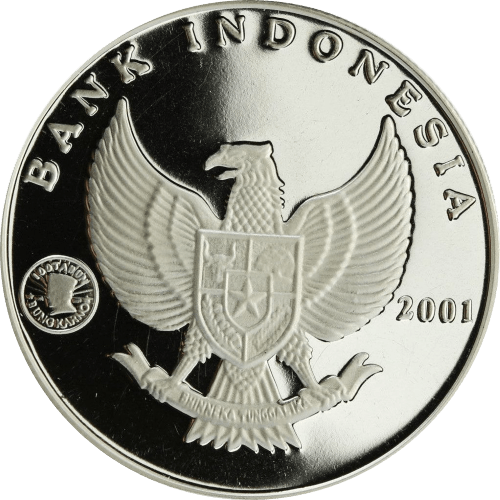
Indonesia honored its first president, Sukarno, with a commemorative 25,000 Rupiah silver coin issued in 2001, marking the centennial of his birth. This coin, from the “Commemorative Silver” series, features a dignified portrait of Sukarno on the obverse. The inscription “100 Tahun Bung Karno” (100 Years of Bung Karno) arches above his image, flanked by his birth year up to the year of this coin, 1901-2001. The coin’s reverse showcases the Garuda Pancasila, the national emblem of Indonesia, adopted on February 2, 1950. A medal appears to the left of the Garuda, with the year 2001 to its right, symbolizing the commemorative nature of the coin. “BANK INDONESIA,” the issuing authority, is inscribed along the top of the reverse.
This .925 silver coin, with a weight of 28.28 grams and a diameter of 38.61 mm, exemplifies the artistry and precision of the mint. The coin’s edge is milled, and it exhibits medal alignment (↑O↑). With a limited mintage of just 4,000 pieces, this coin holds significant appeal for collectors of world coins, particularly those interested in Indonesian history, political figures, or commemorative issues. Its elegant design, combined with its silver content and low mintage, makes the Sukarno commemorative coin a valuable and sought-after piece.
Investing in Silver Coins
Indonesian 25,000 Rupiah (100th Birthday of Mohammad Hatta) 2002
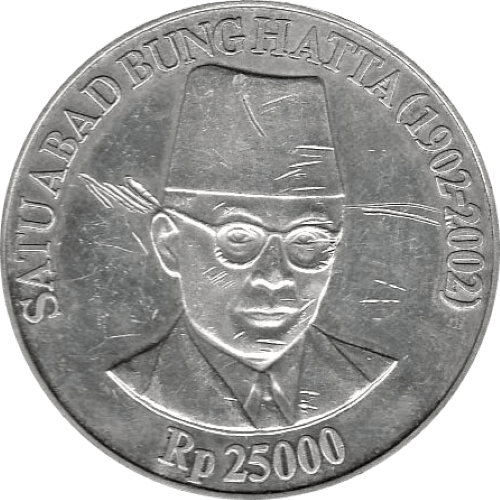
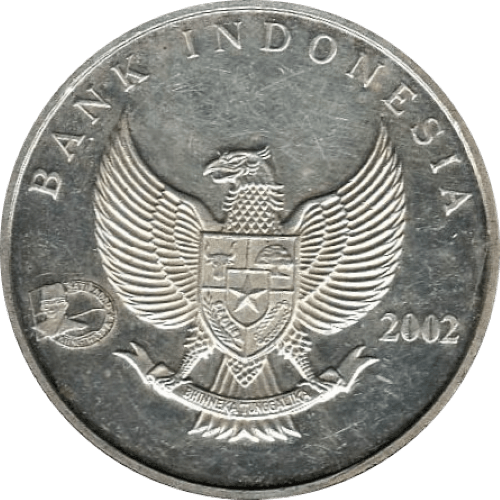
Indonesia celebrated the 100th anniversary of the birth of its first Vice-President, Mohammad Hatta, with the issuance of a commemorative 25,000 Rupiah silver coin in 2002. This coin, belonging to the “Commemorative Silver” series, serves as a tribute to Hatta’s significant contributions to the nation. The obverse of the coin presents a dignified portrait of Mohammad Hatta, a key figure in Indonesia’s independence movement and its early government. The inscription “Satu Abad Bung Hatta” (A Century of Bung Hatta) gracefully curves above his likeness, while his birth year up to the year of this coin, 1902-2002, is displayed alongside. This design serves to honor his life and legacy. Investing in silver coins like this one can be an attractive option for collectors and investors alike, combining historical significance with the intrinsic value of silver.
The reverse of the coin features the Garuda Pancasila, the majestic national emblem of Indonesia, symbolizing strength and national unity. To the left of the Garuda, a medal is depicted, further emphasizing the commemorative nature of this special issue. The year 2002 is inscribed to the right, marking the year of issuance and the centennial celebration. The issuing authority, “BANK INDONESIA,” is prominently displayed above the Garuda. Struck from .925 silver (containing 0.8410 oz of actual silver weight) and alloyed with copper, the coin weighs 28.28 grams and has a diameter of 38.61 mm. It features a milled edge, medal alignment (↑O↑), and a circular shape. With a limited mintage of only 2,000 pieces, this coin is highly sought after by collectors, particularly those specializing in Indonesian numismatics, political figures, or commemorative coins. The combination of its historical significance, precious metal content, and low mintage makes this Hatta commemorative coin a valuable and desirable piece.
Japan
Japan’s silver coin market blends tradition and innovation, featuring classic designs and modern themes. Collectors value Japanese silver coins for their artistry, quality, and often limited mintages. This market offers a diverse range of collectible silver coins, from historical issues to contemporary commemoratives.
Investing in Silver Coins
Japanese 1 Shu (Isshu Gin) 1832-1858
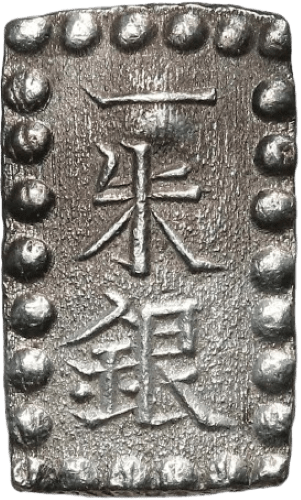
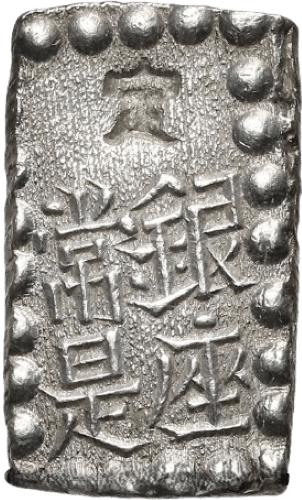
From 1616 to 1854, under the Edo or Tokugawa shogunate, Japan maintained a policy of near-total isolation, limiting foreign contact primarily to the Chinese and Dutch. This self-imposed seclusion fostered a period of internal peace and significant economic and social development. Cities expanded, and a burgeoning merchant class, along with skilled artisans, gained prominence, contributing to a more dynamic social structure. However, this period of relative tranquility came to an abrupt end with the arrival of Commodore Perry and his “Black Ships” in 1854.
Within a short span of ten years, Western powers, driven by their own economic and strategic interests, exerted considerable military pressure on Japan. This forceful intervention compelled Japan to abandon its isolationist policies and open its ports to international trade, dramatically altering the course of its history. The ensuing political turmoil culminated in the abdication of the last shogun, Yoshinobu, in 1867. The ascension of Emperor Mutsuhito to the throne marked the beginning of the transformative Meiji era (1868-1912). This period witnessed a concerted effort to modernize Japan, rapidly transforming it from a feudal society into a powerful, industrialized nation. The Meiji Restoration, as it became known, fundamentally reshaped Japan’s political, social, and economic landscape, ultimately propelling it to the status of a major global power. A tangible artifact from this period of transition is the 1 Shu (Isshu Gin) coin. Minted in silver (880‰ fineness) between 1832 and 1858, these coins, with their 1.95g weight, 16mm diameter, reeded edge, and 6h die orientation, served as a medium of exchange during a time of great change. The sheer volume of these coins produced (159,244,800) reflects the economic activity of the era, even before the full impact of the Meiji reforms took hold.
Investing in Silver Coins
Japanese Koban Jim
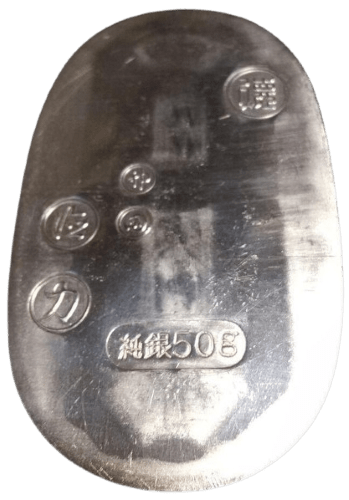
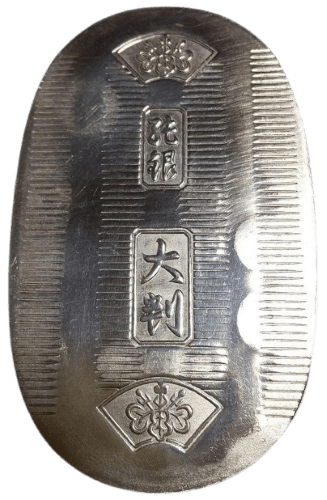
The Koban Gin, also known as the silver trade koban or foreign trade koban, played a vital role in Japan’s international commerce during the late Edo and early Meiji periods. These large, oval-shaped silver coins, produced in highly regulated mints, mirrored the form of the prestigious gold koban but were distinctly silver, serving as a crucial medium of exchange with foreign merchants. Their high value stemmed from their silver content and their essential function in trade transactions. These meticulously crafted coins often display a variety of intricate patterns and stamps, revealing their denomination, mint of origin, and other pertinent details, showcasing the era’s craftsmanship and Japan’s shift from relative isolation to active participation in global trade.
Investing in silver coins like the Koban Gin offers a tangible connection to this transformative period in Japanese history. Their historical significance, coupled with their inherent silver value, makes them attractive to collectors and investors alike. The unique shape, detailed markings, and lustrous appearance of these coins further enhance their appeal, offering a glimpse into the sophisticated economic practices of a rapidly modernizing Japan. As a piece of tangible history, the Koban Gin represents not just a monetary instrument but also a symbol of Japan’s dynamic transition onto the world stage.
Investing in Silver Coins
Japanese 100 Yen Sheaf of Rice 1959 Silver
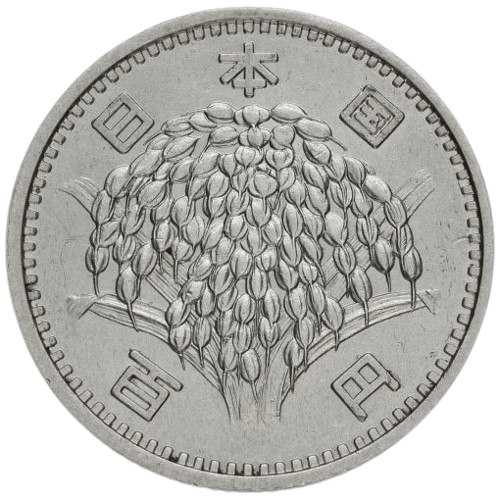
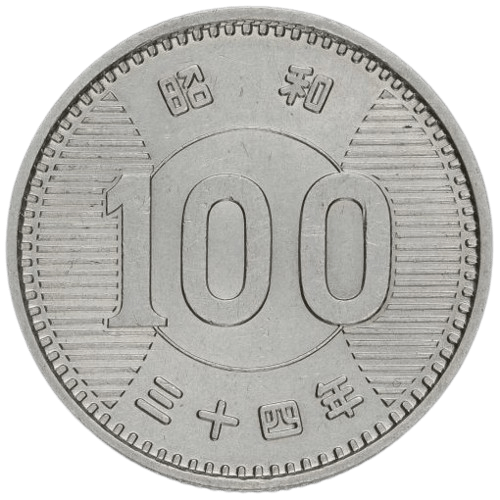
The 1959 silver 100 Yen coin represents a brief yet significant period in Japanese numismatic history. Struck in .600 fine silver, this coin weighs 4.8 grams and measures 22.5mm in diameter. The obverse features the numeral “100” prominently displayed within a circle, flanked by a stylized, quartered wreath design. Above the circle, the characters “昭和三十四年” (Shōwa sanjūyon-nen) proclaim the 34th year of the Showa era, corresponding to 1959. Below the circle, additional inscriptions in Japanese characters complete the details. A reeded edge encircles the coin, adding a tactile element. This specific design and silver composition distinguishes it from both earlier and later 100 Yen issues.
The reverse showcases a sheaf of rice, a symbol of agricultural prosperity and abundance in Japan. This imagery reflects the importance of rice cultivation in Japanese culture and the nation’s post-war efforts toward economic recovery. The choice of silver as the coin’s material underscores its intrinsic value and marks a departure from the cupronickel composition used in later 100 Yen coins. This 1959 issue, with its unique design elements and silver content, holds a special place in the collections of numismatists, serving as a tangible link to a specific era in Japan’s history.

Palau
A Pacific island nation celebrated for its natural beauty, produces highly collectible silver coins featuring unique elements like embedded pearls. These artistically designed coins, showcasing Palau’s culture and environment, are sought after by collectors worldwide.
Investing in Silver Coins
Marine Life Protection Black Pearl Oyster 2006
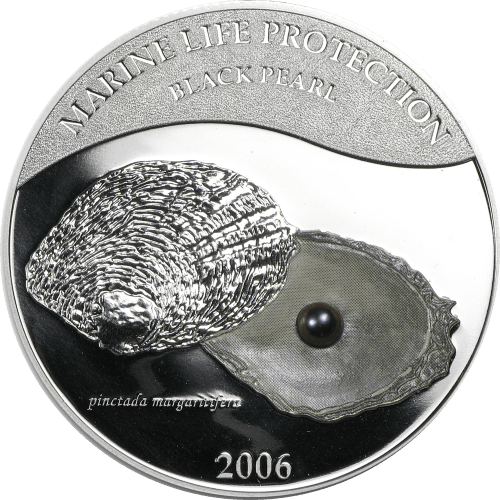
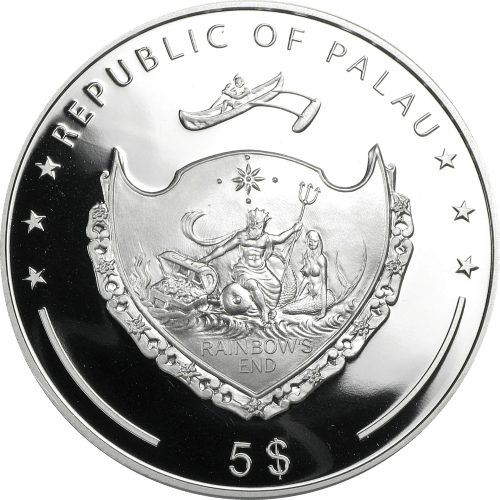
This rare Palau 5 Dollars 2006 Black Pearl coin, with a mintage of only 2,500, holds a special place as the second release in Palau’s Marine Life Protection series. This series highlights the nation’s commitment to preserving its unique and fragile marine ecosystem. The coin’s reverse presents a meticulously crafted depiction of an oyster’s inner shell, its pearlescent surface gleaming. Nestled within this shell, a genuine Palauan black pearl takes center stage. This prized pearl, a testament to Palau’s natural beauty and a symbol of good fortune, is not merely depicted but is actually embedded directly into the coin, adding a tactile dimension and a tangible connection to the ocean’s bounty. The dark, lustrous pearl contrasts strikingly against the shimmering .999 fine silver of the coin. The obverse of the coin proudly displays Palau’s coat of arms, a symbol of national sovereignty, along with the $5 denomination, affirming its legal tender status.
The allure of pearls has captivated civilizations for millennia. Greek legend connects their origin to dewdrops falling from Mount Olympus under a full moon, emphasizing their ethereal beauty and natural scarcity. This 2006 Brilliant Uncirculated coin, struck in .999 fine silver, weighs 0.803 troy ounces (25 grams) and measures 38.6 mm in diameter. While the coin’s grade is uncertified, its pristine condition, evident in its sharp details and lustrous surfaces, combined with its extremely limited mintage, makes it a highly desirable collectible for both numismatists and those fascinated by the natural wonders of the Pacific. It serves as a tangible reminder of Palau’s dedication to protecting its marine life and the treasures it holds.
Investing in Silver Coins
Silver Heart Shape 2018
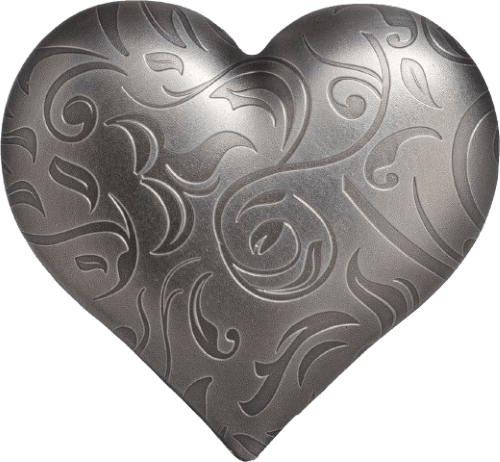
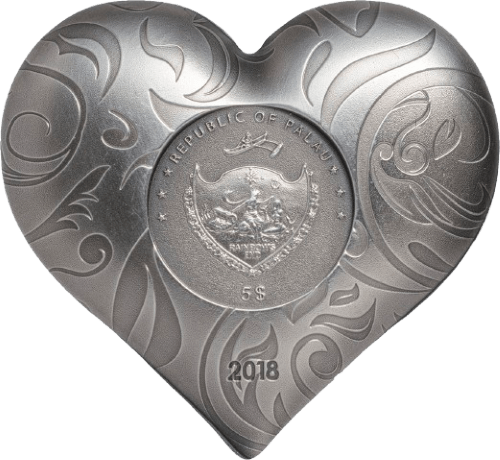
The 2018 Palau 5 Dollars Silver Heart Coin is a testament to modern minting technology and artistic design. Issued by the Republic of Palau, this coin distinguishes itself with its unique heart shape, a departure from traditional circular coinage. Struck from one troy ounce of .999 fine silver, the coin benefits from CIT’s proprietary smartminting© technology. This innovative process allows for the creation of a remarkably three-dimensional, almost bulging heart shape, adding depth and tactile interest to the coin. The delicate ornamentation adorning the heart’s surface echoes the intricate designs of the Silver Fortune coin, unveiled at the Beijing Coin Exposition in late 2017, further linking this piece to the broader context of contemporary numismatic art. B.H. Mayer’s Kunstprägeanstalt GmbH, a renowned mint, undertook the production of this coin, ensuring its high quality and precision. The antique finish applied to the silver gives the coin a sense of age and enhances the intricate details of the design. Measuring 33 millimeters in diameter, the coin’s heart shape fills the hand, making it a substantial and tactile piece. The reverse side of the coin features the official Coat of Arms of the Republic of Palau, a symbol of national identity and sovereignty, centered against the backdrop of the heart’s design. The inscriptions “REPUBLIC OF PALAU,” “5$,” and “2018” are integrated seamlessly into the design, clearly indicating the issuing authority, denomination, and year of issue.
The 2018 Palau Silver Heart Coin is more than just legal tender; it is a work of art. Presented in an elegant case, accompanied by a Certificate of Authenticity, this coin is a prized possession for collectors of modern numismatics. With a limited mintage of only 2,500 pieces worldwide, its rarity further contributes to its desirability and value. As part of the “Symbols of Love” series, this coin transcends its monetary function, becoming a powerful symbol of affection and friendship. Its intricate design, combined with the innovative minting technology, makes it a truly exceptional piece, capable of captivating the imagination of anyone fortunate enough to behold it. The coin’s substantial feel, thanks to its one-ounce weight, reinforces its status as a premium collectible. The careful attention to detail, from the delicate ornamentation to the polished antique finish, elevates this coin beyond a mere object of collection and into the realm of a cherished keepsake, a tangible representation of heartfelt emotions.

Cook Islands
The Cook Islands, a nation in the South Pacific, are known for their beautiful silver coins that often feature themes related to their Polynesian culture, history, and maritime heritage. These coins are popular among collectors worldwide for their intricate designs and high silver content.
Investing in Silver Coins
HMS Bounty 2023
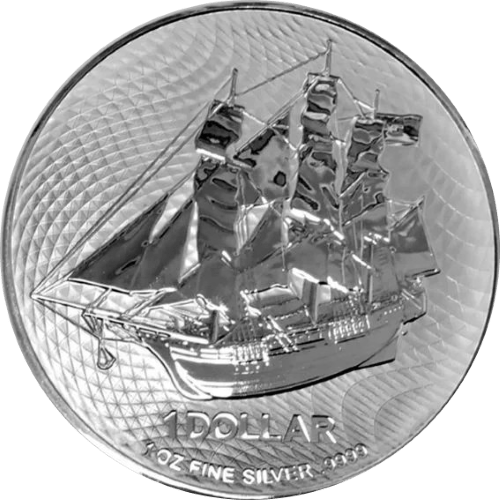
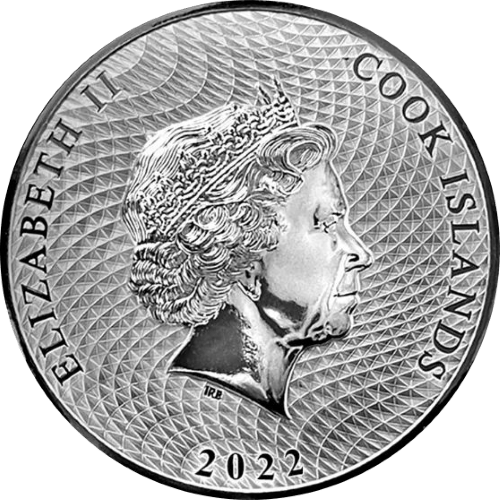
The Cook Islands $1 HMS Bounty 1 Ounce Silver coin (2018-2022 BU) stands as a numismatic tribute to the legendary HMS Bounty and its tumultuous past. This coin, part of a dedicated series, vividly recalls the infamous 1789 mutiny, a pivotal event in maritime history. Led by Fletcher Christian against the tyrannical Captain William Bligh, the mutiny aboard the Bounty became a symbol of defiance and has been immortalized in countless retellings, from literature to film. The coin’s obverse showcases the HMS Bounty in all its seafaring glory, its intricate rigging and expansive sails meticulously captured in silver. Inscriptions of “HMS BOUNTY,” “COOK ISLANDS,” and the coin’s issue years (2018-2022) encircle the ship’s image. The reverse features the effigy of Queen Elizabeth II, a common element on Cook Islands coinage, along with inscriptions of her name, the “ONE DOLLAR” denomination, and “ELIZABETH II,” affirming its status as legal tender.
Struck from one troy ounce of 99.9% pure silver, this 40mm coin offers a satisfying weight and a tangible sense of value, complementing its detailed artistry. The Brilliant Uncirculated designation guarantees the coin’s pristine condition, showcasing sharp details and a radiant, untarnished finish. While the specific mint responsible for its production remains unconfirmed, the coin’s quality and likely limited mintage contribute to its desirability among collectors. This coin transcends its monetary value, serving as a tangible link to a dramatic chapter in maritime history, making it a cherished piece for both numismatists and history enthusiasts.

Bermuda
Bermuda, a British Overseas Territory, issues distinctive silver coins often featuring local flora and fauna, including butterflies. These coins appeal to collectors worldwide due to their unique designs and limited mintages. The Bermuda silver coin market offers a niche for those seeking beautiful and potentially valuable additions to their collections.
Investing in Silver Coins
Butterfly One Dollar 1989
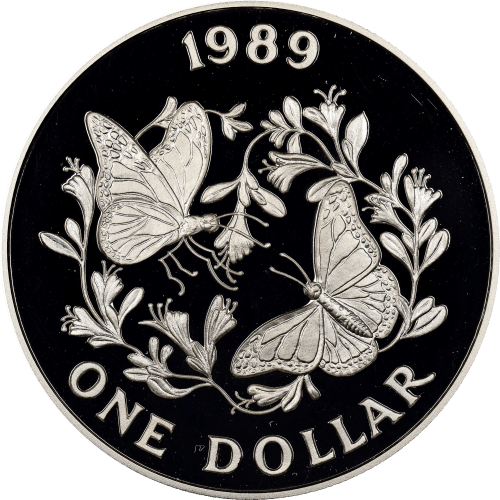
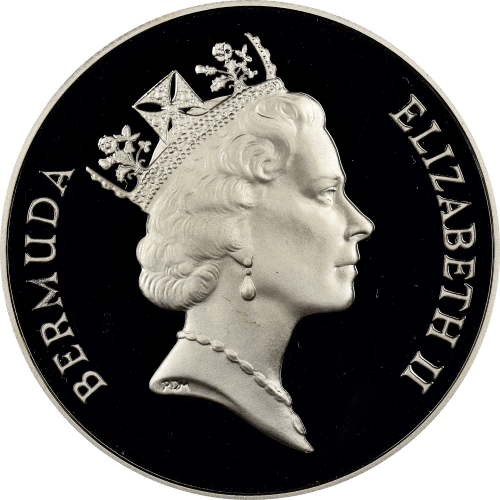
The 1989 Bermuda Butterfly One Dollar coin, a beautiful example of Bermuda’s numismatic offerings, captures the delicate beauty of the island’s butterfly population. As a non-circulating coin, it wasn’t meant for everyday transactions, but rather for collectors and those interested in Bermuda’s natural heritage. Issued by Bermuda, a British Overseas Territory, during the reign of Queen Elizabeth II, this coin reflects the island’s connection to the British monarchy. The coin’s specifications are precise: it’s struck from sterling silver (.925 purity), weighs a substantial 28.28 grams, and has a diameter of 38.6 millimeters, with a thickness of 3 millimeters. These dimensions give the coin a satisfying heft and allow ample space for the detailed butterfly design. The round shape and milled edge are classic features of coinage, while the medal alignment ensures the design appears correctly oriented when held. The coin’s value is officially set at one Bermuda dollar, equivalent to one US dollar at the time of issue.
This 1989 Bermuda Butterfly Dollar coin, cataloged as KM# 61a and Schön# 59a (N#92840), serves as a miniature work of art. The intricate butterfly design, likely depicting a species native to Bermuda, highlights the island’s rich biodiversity and promotes awareness of its natural heritage. The sterling silver composition not only adds intrinsic value but also gives the coin a lustrous shine. The coin’s status as a non-circulating issue further enhances its collectibility, as it was specifically produced for enthusiasts rather than general circulation. This coin is a testament to Bermuda’s commitment to showcasing its unique wildlife through its coinage, making it a prized piece for collectors and a fascinating glimpse into the island’s natural beauty.

United States of America
The US silver coin market is large and diverse, offering everything from historic classics like Morgan Silver Dollars to modern American Silver Eagles. Collectors and investors value US silver coins for both their bullion value and numismatic appeal.
Investing in Silver Coins
Sitting Liberty Half Dollar 1876-S
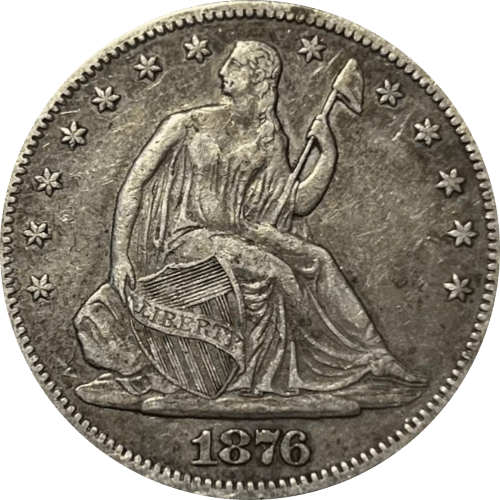
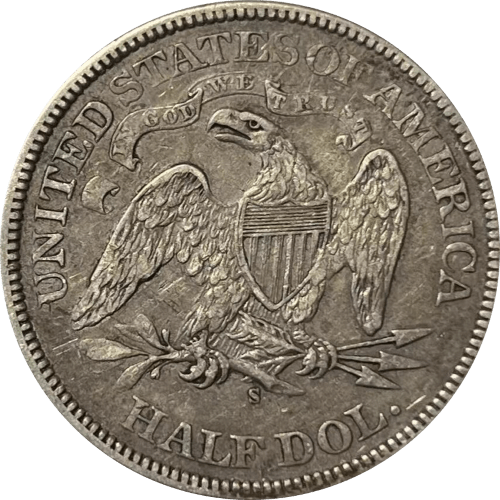
The 1876-S Liberty Seated Half Dollar, a classic example of 19th-century American coinage, features the iconic “Seated Liberty” design, a graceful depiction of Lady Liberty seated on a rock, holding a shield and a staff. This enduring image, created by Christian Gobrecht, was a staple of US currency for decades. The reverse side showcases Gobrecht’s equally impressive eagle in flight, clutching arrows and an olive branch, symbolizing both strength and peace. The “S” mint mark indicates that this particular coin was struck at the San Francisco Mint, adding a layer of historical context and often influencing its value among collectors.
This specific coin, minted in 1876 at the San Francisco Mint, is composed of 0.9 fine silver, giving it a weight of 12.5 grams, which translates to 0.3617 ounces of actual silver weight (ASW). Its diameter measures 30.6 millimeters, and it features a reeded edge, a standard characteristic of silver coins from this era. Collectors prize the 1876-S Liberty Seated Half Dollar not only for its intrinsic silver value but also for its historical significance and its connection to a pivotal period in American history. The combination of the classic design, the San Francisco Mint mark, and the precious metal content makes this coin a desirable addition to any collection, representing a tangible link to the past.
Investing in Silver Coins
Morgan Dollar 1921
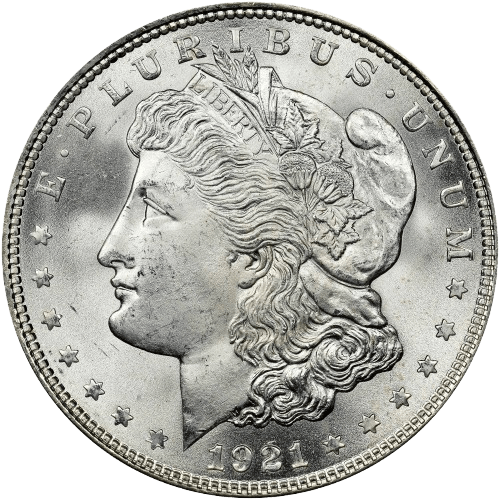
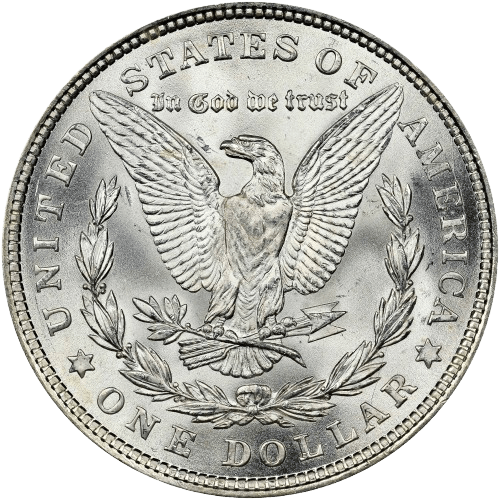
The 1921 Morgan Silver Dollar holds a unique place in American numismatic history. Designed by George T. Morgan, this coin represents the final year of mintage for the Morgan Silver Dollar before its brief replacement by the Peace Dollar. The Philadelphia Mint, the primary mint for US coinage, produced a substantial 44,690,000 of these coins in 1921. This large mintage, while not making the coin excessively rare in circulated grades, still contributes to its overall desirability, especially in uncirculated or better conditions. The coin itself is a beautiful example of American craftsmanship, showcasing Morgan’s iconic design. Lady Liberty, facing left, is featured on the obverse, while the reverse displays a majestic eagle with outstretched wings.
This 1921 Morgan Silver Dollar, struck at the Philadelphia Mint, is composed of 0.9 fine silver, giving it a weight of 26.73 grams, including 0.7734 ounces of actual silver weight (ASW). The coin’s specifications also include a standard diameter of 38.1 millimeters and a reeded edge, both common features of silver dollars from this period. Collectors cherish the 1921 Morgan Silver Dollar not only for its intrinsic silver value but also for its historical significance as the “last of the line” for a time. It represents a tangible connection to a specific era in American history, bridging the late 19th and early 20th centuries. The combination of its design, historical context, and precious metal content makes the 1921 Morgan Silver Dollar a popular and enduring choice for both seasoned numismatists and those new to coin collecting.







Leave a Reply